Earth Work
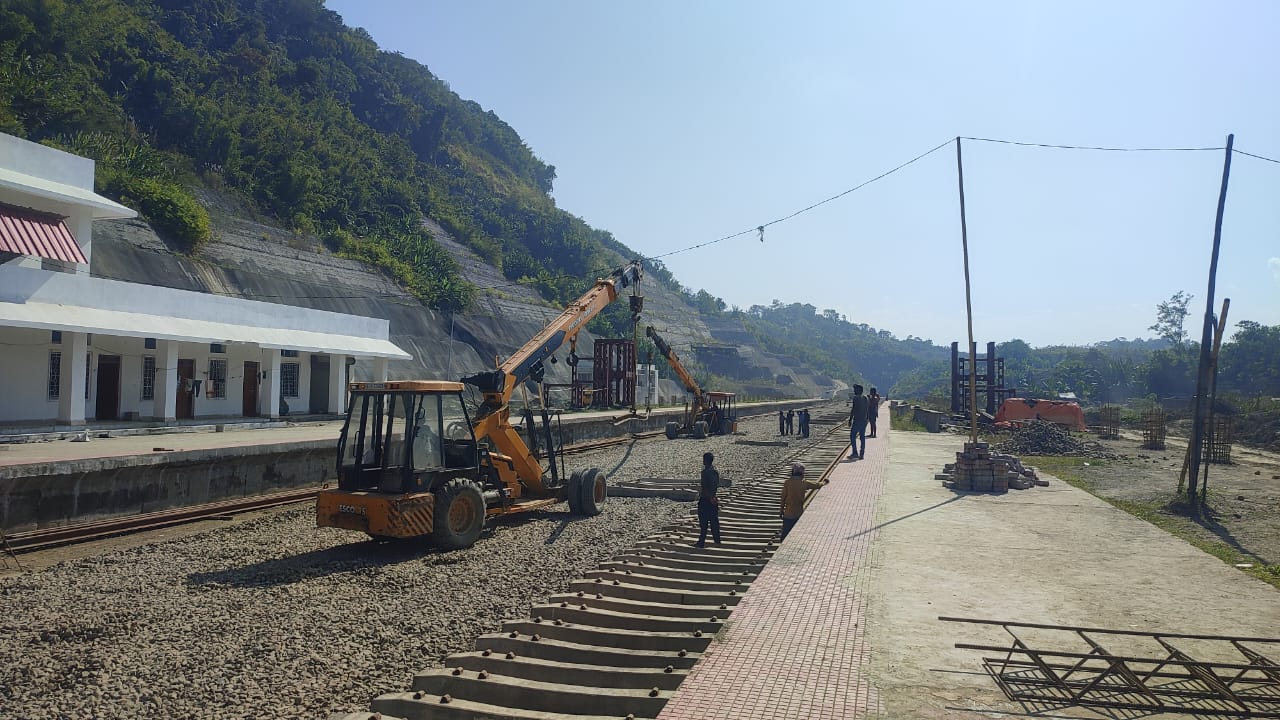
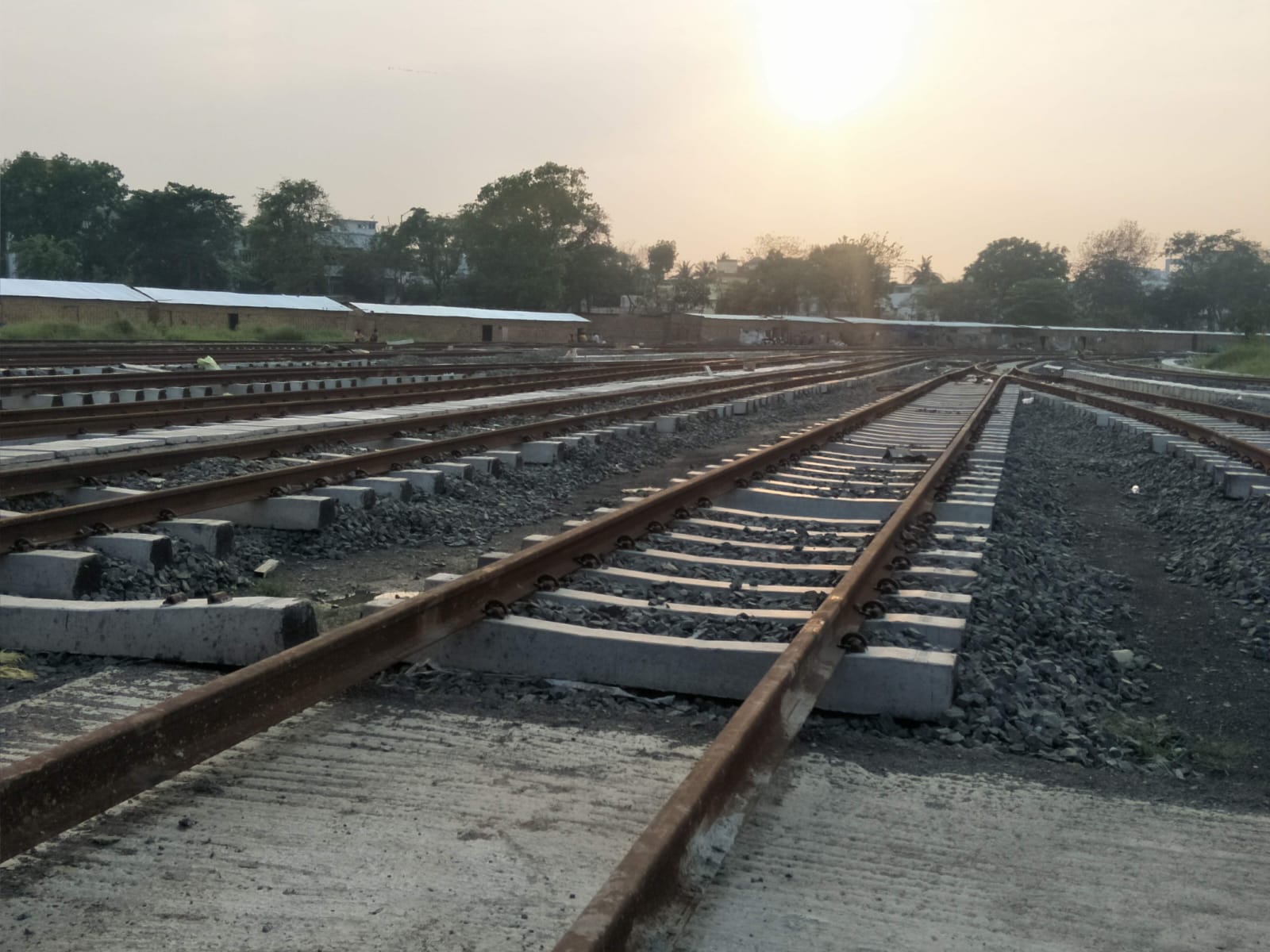
Earthwork in railway infrastructure is essential for creating a stable foundation for tracks and other railway structures. It involves processes such as excavation, embankment construction, and leveling to ensure proper alignment and stability. These earthworks help manage drainage, prevent erosion, and support the weight of trains, ensuring smooth operations. By maintaining proper grading and soil compaction, earthwork in railway projects improves safety, reduces maintenance needs, and increases the lifespan of the railway network.
Services Benefits:
Earthwork in railway infrastructure offers several key benefits:
- Stability: Proper earthwork ensures a stable foundation for tracks, preventing shifting or uneven surfaces that could cause train derailments.
- Improved Drainage: Well-executed earthworks help manage water flow, reducing the risk of flooding and erosion along the tracks.
- Longevity: By providing a solid base, earthworks extend the lifespan of the railway, reducing the frequency of maintenance and repair.
- Safety: A strong, level foundation reduces operational risks, ensuring safer travel for both passengers and freight.
- Cost Efficiency: Minimizing future repairs and disruptions leads to long-term cost savings for railway operators
- Earthwork in railway infrastructure offers several key benefits:
Stability: Proper earthwork ensures a stable foundation for tracks, preventing shifting or uneven surfaces that could cause train derailments
-
Improved Drainage: Well-executed earthworks help manage water flow, reducing the risk of flooding and erosion along the tracks
-
Longevity: By providing a solid base, earthworks extend the lifespan of the railway, reducing the frequency of maintenance and repair
-
Safety: A strong, level foundation reduces operational risks, ensuring safer travel for both passengers and freight
-
Cost Efficiency: Minimizing future repairs and disruptions leads to long-term cost savings for railway operators